Saturday, 11 June 2016

Garden Bioblitz 2016

Last week I took part in the Garden Bioblitz 2016. The idea is that for 24 hours you list all the species you can find in your garden. It was the first time I’ve taken part or done any such survey and it was really interesting.
It’s worth noting that I have a small garden which obviously limits the number of species that I was going to see. The vast majority of the garden is lawn and patio too so I was quite pleased that find 42 different species. The weather didn’t help as it was over 20 degrees celsius which meant less avian visitors and probably less invertebrate life near the surface.
I spotted most of our common garden bird visitors: house sparrows, starlings, blackbirds, woodpigeons, collared doves and dunnocks. I also saw two less common visitors, a coal tit and I think for the first time ever in the garden, a blackcap.
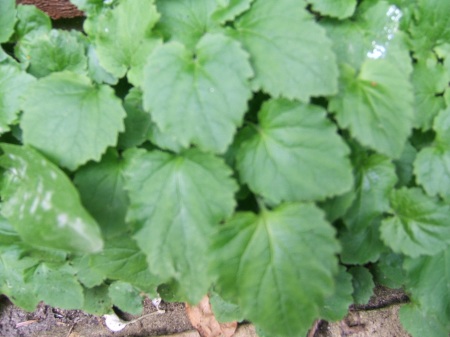
As part of the bioblitz you can record plants, as long as they are not ones planted by you or the people who owned the house before you. We have lots of weeds on our lawn such as daisiesdandelions, buttercups and clover. There are also various other plants that have somehow found their way into our garden over the years such as ivy, common pincushion moss, welsh poppies and (perplexingly given there isn’t any in the nearby area) holly. I also found the plant below which is called herb robert and is actually edible (and may even have health benefits).
DSCF0668
Inevitably, the vast majority of my finds were invertebrates. I actually found these most interesting as they are not something you usually look for. I found it thrilling lifting up logs and plant pots with no idea what was going to be underneath.
It turns out our garden is awash with woodlice- every time I lifted something up there would be woodlice crawling everywhere. I think we have at least three different species including the lovely rosy woodlouse.
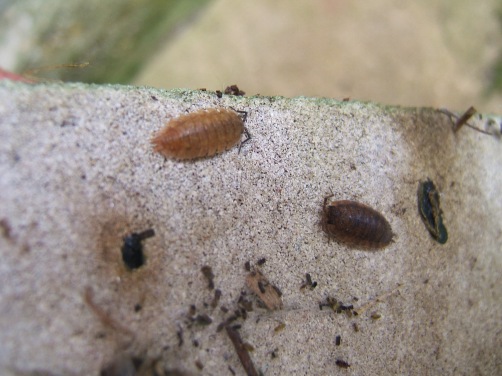
DSCF0681
The other most common thing lurking underneath logs and plant pots were slugs. There were lots of both common garden slugs and yellow slugs, like the one you can see below.
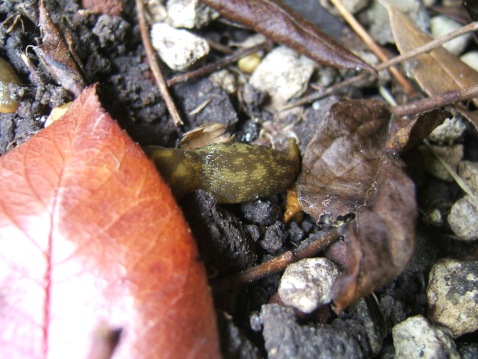
DSCF0677
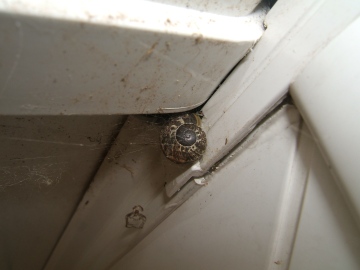
I also found three different species of snail. As well as the common garden snail I found the two below, a white-lipped snail and a copse snail.
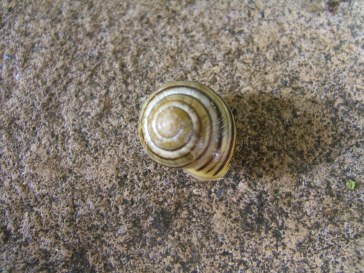
DSCF0674DSCF0701
Here’s perhaps my coolest find. I’m not 100% confident on the identification but I think this is a white-legged snake millipede:
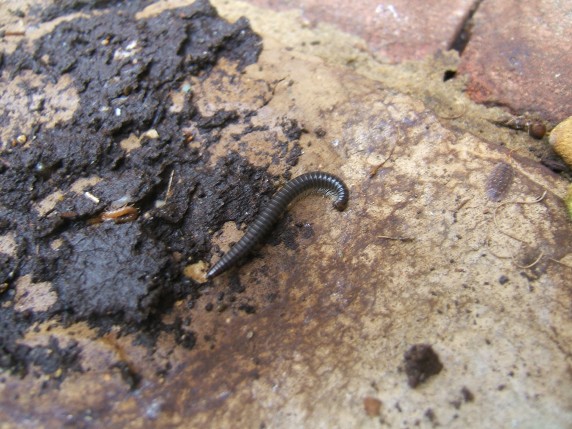
DSCF0688
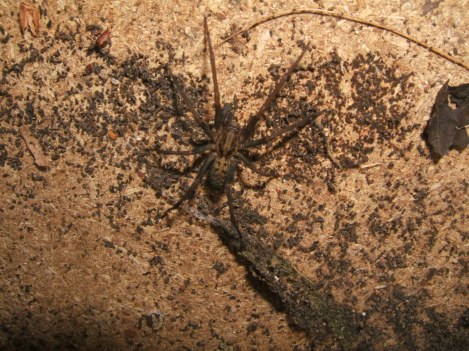
My final one to share with you is not for those with a fear of spiders- a monstrous house spider!
DSCF0706
Overall I really enjoyed doing the bioblitz and look forward to doing it again next year. It was amazing to see the amount of life in my tiny garden. For more information about the project go to the Garden Bioblitz website.

Wednesday, 8 June 2016

Recent Sightings

It’s June and there is an abundance of wildlife everywhere you look, so today I am sharing all the best things I’ve seen around the area lately.
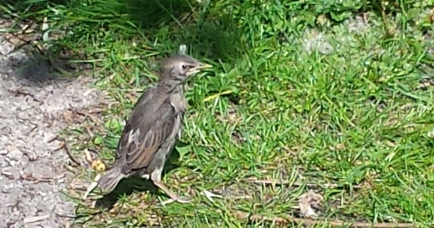
Whilst thing have gone a little quieter lately, the most obvious species on our housing estate a few weeks ago was the starling. If you walked down the street you could hear the sound of starling chicks squawking for food from virtually every house, including our own. They seem to like to nest under the roof tiles in the cavity. Now many young starlings have fledged and can be seen trying to eat food off the feeder, although many still don’t seem to have got the hang of it.
20160515_130440
There are lots of Canada Geese around the nearby fishing lake and for many years they seem to have set up a sort of goose nursery in a local field. At this time of year you can guarantee to see lots of gosling on the field.
DSCF0650
Canada geese are quite interesting in that the way the raise their chicks is different to other birds. Their hatchlings are precocial, which means they are well-developed and can feed themselves almost straight away. They just need their parents to keep them safe and show them where the food is. They lay around six eggs in a clutch but actually many geese don’t do much parenting- they led their young goslings to a nursery area and let other geese look after them. On the local field there are around 25 goslings but only four adult geese.
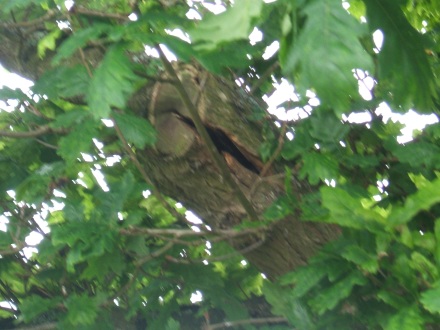
Other birds are beginning to fledge now, although frankly I haven’t seen many young birds yet. The weather this week is looking to be a little better so I expect that many will fledge now. I spotted some blue tits nesting in this crevice in an oak tree and from what I could glimpse they looked like well established chicks that will fledge soon.
DSCF0646
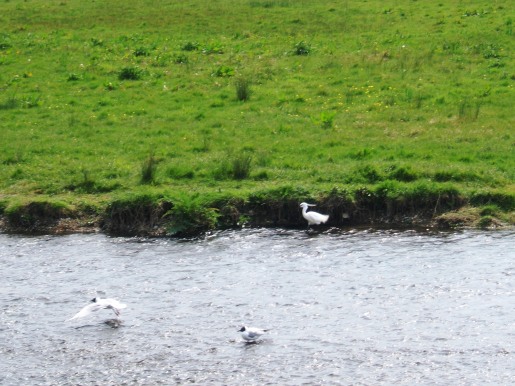
One final bird for today is this beautiful Little Egret with some black-headed gulls. I’ve passed this spot on the river Avon a few times recently and the egret has always been there. I have only seen the one so it’s unclear if there’s breeding going on. The egret is not keen on the gulls and chases them off if they come too close.
DSCF0596
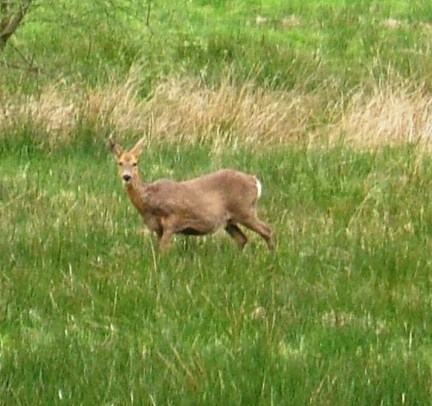
I’ve been out and about in the New Forest a lot this week and seen plenty of interest. There are deer everywhere in the New Forest at the moment- it’s almost harder to avoid seeing them than it is to see them! I finally managed to get an OK photo of a roe deer doe too:
DSCF0601
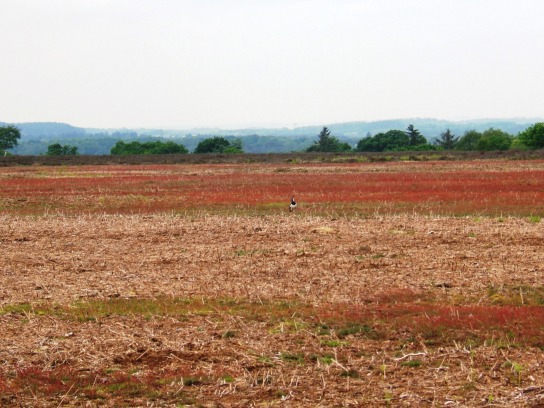
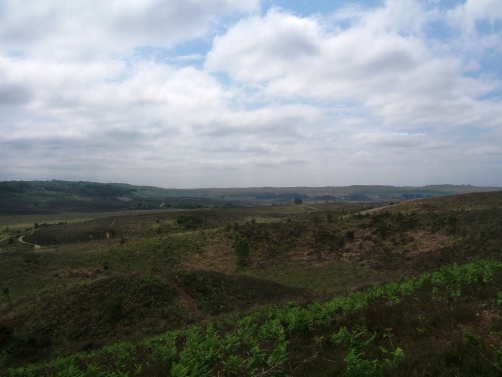
You can see a lapwing in the centre of photo below, taken at Ibsley Common. You might think of lapwings usually living on farmland but clearly this emerging heathland is just as good. I was also lucky enough to see peregrine falcons passing food in the air whilst I was up on the common too. I suspect they may well have a nest in a small wood up there.
DSCF0621
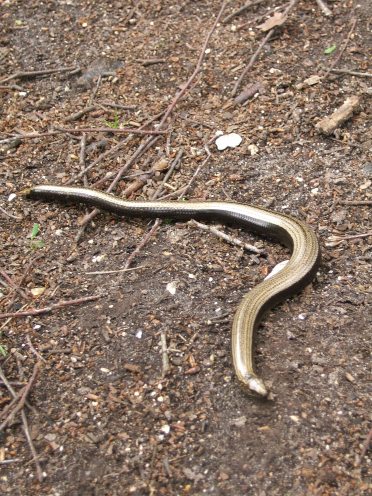
Another New Forest spot was this beautiful slow worm which was basking on a path. Despite their name and appearance slow worms are neither a worm nor a snake but actually legless lizards.
DSCF0636
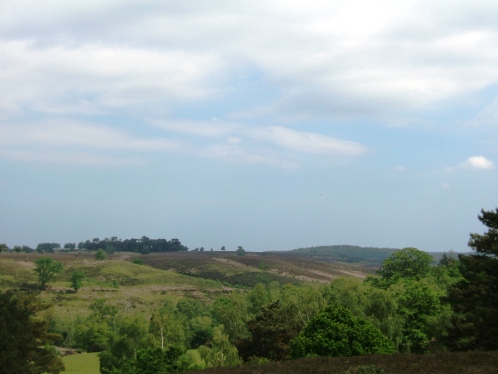
I shall finish today’s post with some of the lovely views I’ve seen recently:

DSCF0619
DSCF0641

Saturday, 4 June 2016

Bournemouth Nature News

It’s been a month since my last entry here which is not so good considering this is the busiest time of year for nature. The trouble is I’ve been so busy out enjoying it I havn’t had much time to blog about it! There’s various nature news from around the Bournemouth area that I wanted to discuss so that’s what this post is all about.
Let me start with some admin to tell you this blog now has a Twitter account. You can follow @dangoeswild1 for all the new blog posts, various photos of wildlife that I take whilst out and about and wildlife news and things of interest from other places.
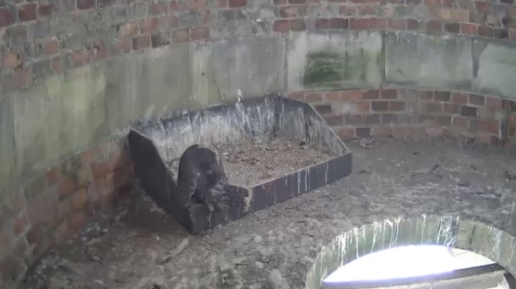
Time to check in on the peregrine falcons I’ve been following in Bournemouth. Well, here’s a screenshot of the webcam as I write this post:
Peregrines 4.6.16
It’s far from clear but that bird was actually one of the chicks. A team went up into the bell tower and ringed the chicks, identifying them as two males and one female. The chicks now look pretty much adult birds, albeit with a hint of fluff in places.The birds have now fledged and will no doubt be seen around the clock tower in the near future. They are still around the nest so for now you can still watch them on the webcam.
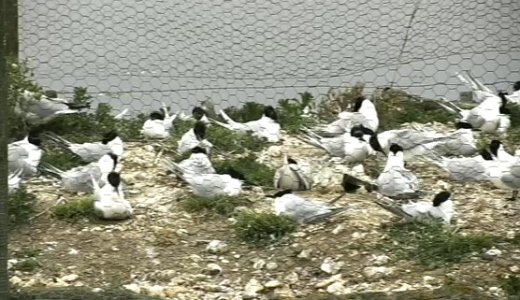
Meanwhile, the Brownsea Island Lagoon webcam is now focused on a colony of breeding sandwich terns.
Brownsea Lagoon 4.6.16
For some context on this, here’s a snippet from the webcam page:
Currently viewable on the webcam above is the breeding colony of Sandwich Tern on the Brownsea Island Lagoon. The Terns usually arrive back at the end of April/beginning of May and start prospecting the small man-made islands straight away to look for the perfect nesting area. Over the years the number of pairs has varied but on average there are usually 210+ pairs of Sandwich Terns and 100+ pairs of Common Tern.
Unfortunately predation is a common issue with the Tern colonies, so protective fences have to be erected to limit the number of eggs and chicks being taken. Anything from Crows, Great Black-backed Gulls, Herons and even wandering Sika Deer could pose a threat, so although the fencing can make the sight of these elegant birds a little un-natural, it’s vital for their ongoing breeding success.
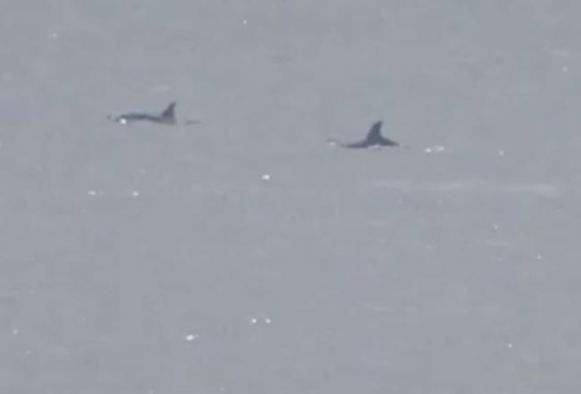
Something of local interest which I never got around to talking about at the time was a pod of dolphins that were spotted fishing at Boscombe Surf Reef. As far as I can gather dolphins (common dolphins I assume) are spotted in the area around once a year so it a fairly unusual occurrence. To see a video of the dolphins and read a little more about them click here.
5055991
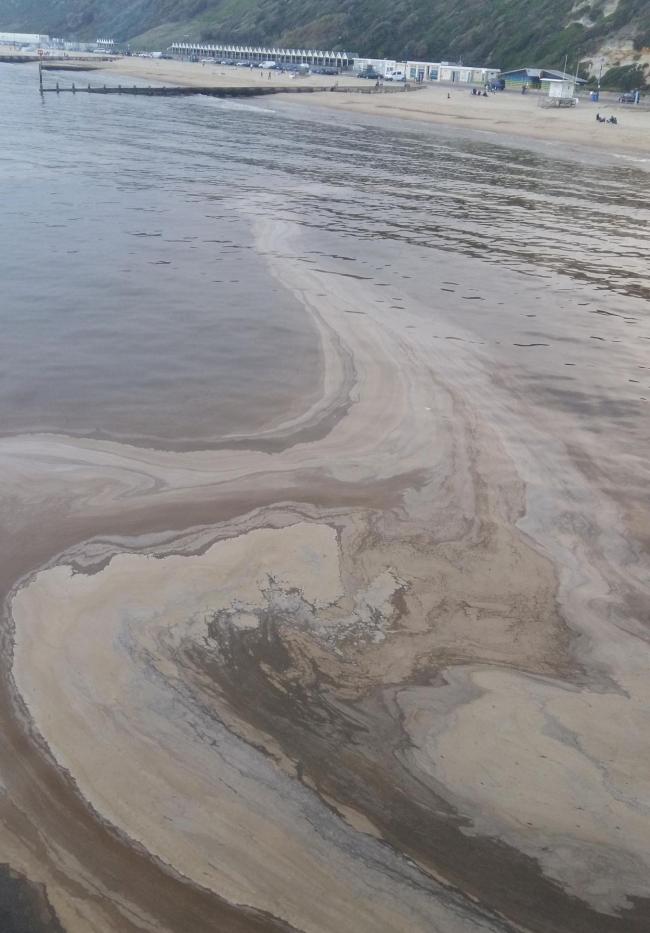
This week there has been another wildlife spectacle in the sea at Boscombe, although i suspect one that will interest less people. The sea started looking really murky and locals immediately started to blame beach replenishment work. Whilst that might have something to with it, the murkiness is caused by harmless phytoplankton. Apparently there has been a bloom of algae along the Dorset coast this year. [Source]
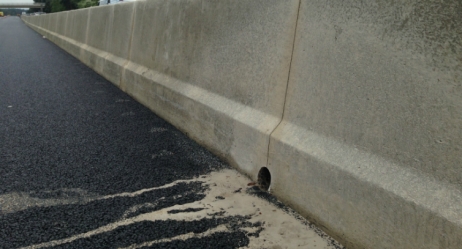
And one final Bournemouth-based nature story to finish. The A338 Spur Road has basically been rebuilt over the last six months or so, much to the dismay of many commuters (including myself). The road now has a concrete barrier rather than a steel one, something which is becoming the new norm. And here’s the wildlife bit, from the A338 Roadworks Blog:
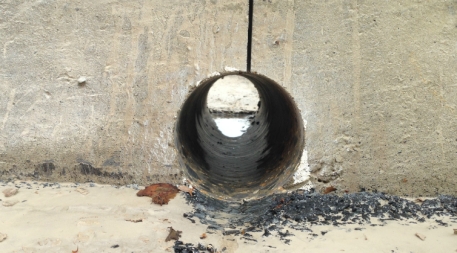
You’ll also see holes at frequent intervals along the bottom of the barrier – there are 18x 200mm holes for otters and 88x 75mm holes for reptiles. It may seem crazy to you but if wildlife could cross the road before we have to make sure they can still cross it now.
reptile-hole
reptile-hole_close-up
I was really pleased to see the thought that has gone into this and that care was taken to protect the habitat. The spur road runs straight through the middle of a heathland which really needs protecting.
That’s all for today but I’ve got lots to come including recent wildlife sightings, my results for this year’s garden bioblitz and a look at which to vote on the EU referendum from the natural world side of things.

Monday, 2 May 2016

Black Kite and Peregrine Chicks

April was a particularly strange month weather-wise. You expect fairly warm temperatures with lots of showers. Towards the end of the month the temperature was a fair way below average and we were having frosts, snow and hail which is particularly unusual in the South of England in April.
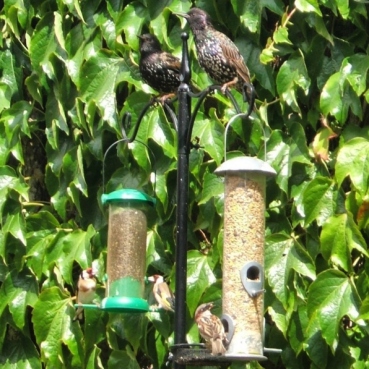
Still, whilst the weather might not realise it’s Spring the wildlife certainly seems to. Activity on our garden feeders has increased dramatically. As well as the continuous rush of house sparrows and starlings we are now regularly visited by a few blackbird and pairs of both robins and goldfinches. I love all the birds that come to the garden but the goldfinches are so beautiful it’s always a particular joy to seem them.
Garden
Various migrants are returning for the warmer months. There are now plenty of swallows swooping over the local lake and I saw my first swift of the Spring this afternoon. I’ve also heard several cuckoos over the last few weeks in the New Forest.
I saw a particularly exciting migrant this morning which trumps the others though: a black kite. I was driving to Salisbury and got a really clear view of the bird flying fairly close to the road. Initially I thought it was a red kite but the colour and look was slightly wrong. I later discovered that a black kite was spotted at Blashford Lakes on Saturday. Given that I was 11 miles further North two days later I think it’s likely this was the same bird. You can see a picture of that exact bird taken at Blashford here.
Black Kites migrate to Africa in the Winter and breed commonly across Southern Europe and Central France. They are pushing slowly Northward but are occasional overshoot migrants in Britain. Blashford Lakes have several records of them over recent years though so perhaps they are a bird we will be seeing more of in years to come.
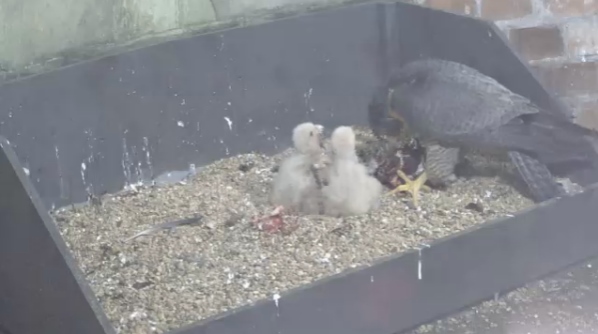
In other bird of prey news it looks like Bournemouth’s Peregrine Falcons are doing well. Three of the four eggs have now hatched and look to be doing well. They seemed to be really enjoying a feed of what was probably a pigeon as you can see below. I promise you there’s three chicks there somewhere! It’s possible that the fourth egg may yet hatch but only time will tell. You can watch the peregrine 24/7 here.
Peregrines 2.5.15
I thought it might be interesting to seek out some other local bird webcams and I’ve found several.
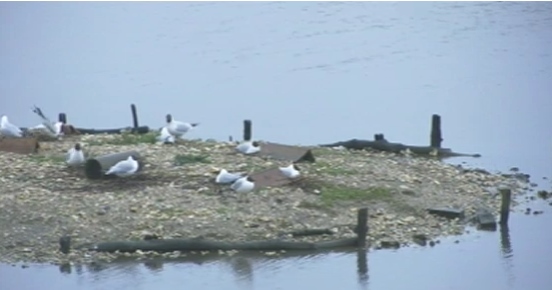
Over in Poole Harbour is Brownsea Island and Dorset Wildlife Trust has a webcam on the lagoon there. It mostly seems to be occupied by black-headed gulls at the moment but over the few years since the camera was set up 75 different species of bird have been seen there. Unlike nest cameras this one runs 365 days a year and if anything is even more interesting in the Winter. You can view it here.
New Picture (23)
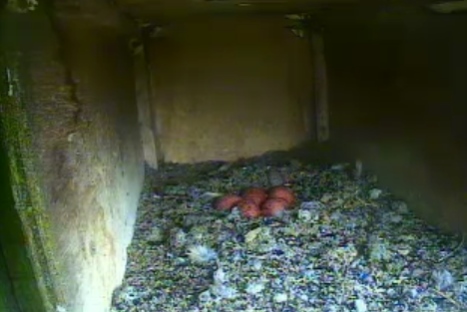
Also on Poole Harbour is the RSPB’s Arne Nature Reserve which currently hosts a webcam in a Kestrel nest. There are five eggs in the nest, all of which have yet to hatch. You can see them below, although unfortunately I missed getting a shot of the mother sat on the eggs. You can see the webcam by clicking here.
New Picture (24)
I shall keep my eye out for other local webcams as well as keeping you updated on these ones.
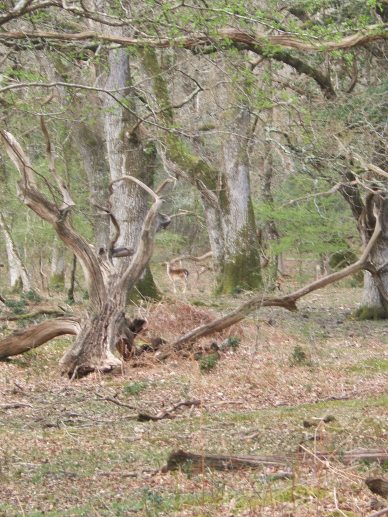
To end, here’s my only recent wildlife photo and not a very good one- a female fallow deer hidden in the trees. It might take you a second to spot it!
DSCF0594

Saturday, 23 April 2016

Winall Moors

Two weeks ago I visited my favourite nature reserve, Winnall Moors in Winchester. I went to university in Winchester and once I discovered this gem I visited virtually every day. Thanks to this I am in the unusual position of having four years worth of photos to share with you so on this one occasion the photos were not all taken on one visit.
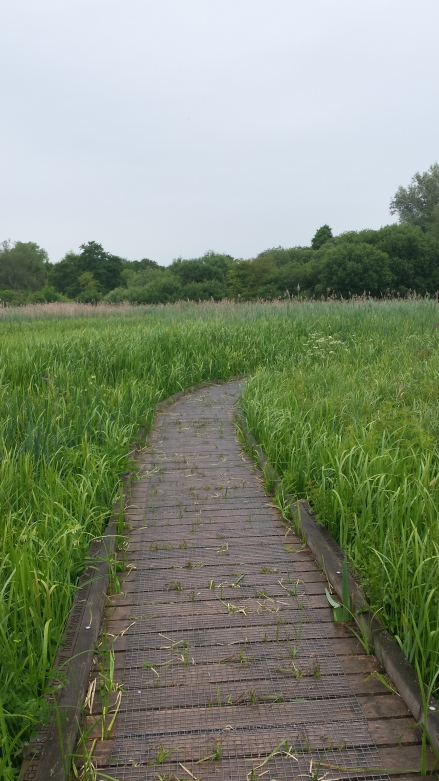
Winnall Moors is located ridiculously close to the city centre and historically was water meadows. It’s now managed by the Hampshire and IoW Wildlife Trust and is undergoing a large lottery funded project. It sits on the flood plain of the River Itchen and so there is no chance it could ever be built on. The main reserve is fairly small, with a mile long circular path taking you through it though actually the reserve extends a fair distance (and I was once fortunate enough to take a guided walk around part of the reserve the public don’t usually get to see).
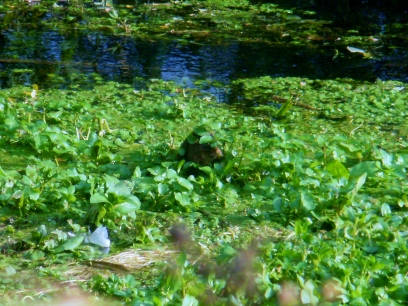
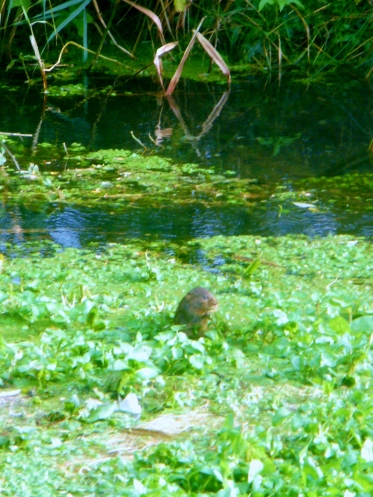
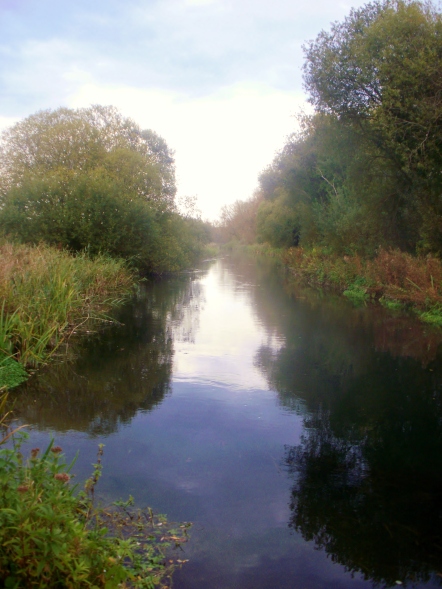
The main reason Winnall Moors is so fantastic is the River Itchen, one of the few British rivers that are still home to both otters and water voles. I’ve never seen an otter in the reserve but the water voles are so abundant that if you go in the Spring or Summer you have a high chance of seeing at least one.
OLYMPUS DIGITAL CAMERA
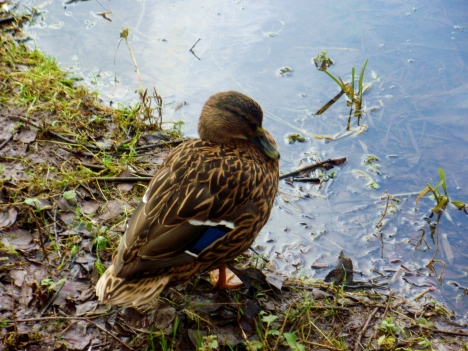
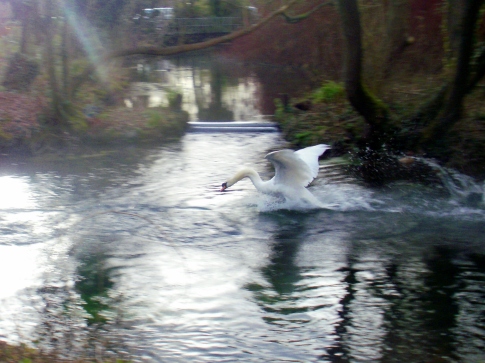
As with most rivers it’s also home to lots of bird life like mute swans, mallards, coots and moorhens. I’ve also seen water rail and kingfishers around the river fairly regularly.
011.JPG
OLYMPUS DIGITAL CAMERA
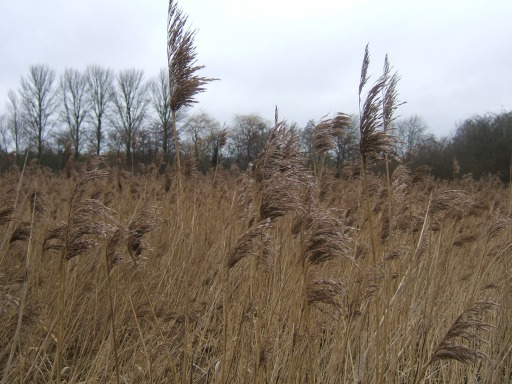
The reserve has a rare mixture of habitats from woodland to fen meadows and reedbeds. The reedbeds are home to various warblers including sedge warblers, reed warblers and even Cetti’s warblers. On a bird ringing event I saw all three but usually it’s tricky to spot them, let alone work out which they are (all three are very similar looking). However, you are very likely to hear them warbling.
DSCF0536
The list of things to see goes on. There’s plenty of insect life including scarlet tiger mothsbanded damselflies and emperor dragonflies. In the winter it’s not unlikely that you can see roe deer in the reedbeds. There’s also lots of fish in the river including atlantic salmon, bullhead, brook lamprey, eels and pike. You can sometimes see pike on some stretches of the river and several bridges give you an opportunity to look for other fish. There’s even plenty of interesting flowers to spot, some marking the old water meadow ditches: southern marsh orchidsragged robin and yellow flag iris.
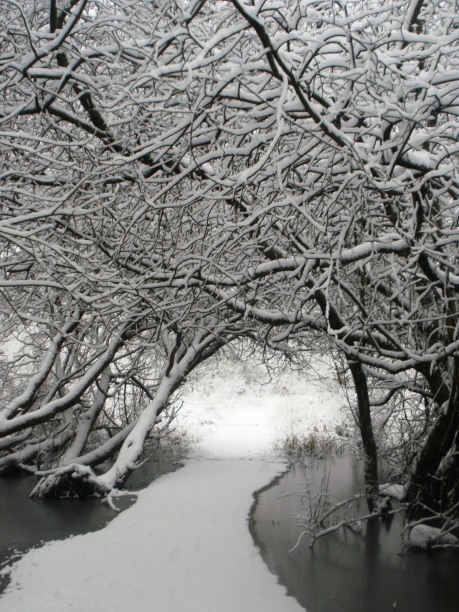
Winnall Moors is exciting because it’s one of those nature reserves where you never know what you are going to see but are almost guaranteed to see something exciting. And it’s always beautiful, no matter what time of year you visit.
OLYMPUS DIGITAL CAMERA20150628_112725
OLYMPUS DIGITAL CAMERA
For more information on the reserve and visiting it, check out the HIWWT website.
Saturday, 2 April 2016

Wild March

I thought it might be of interest to do a diary-like summary of each month. I’ll highlight things I’ve blogged about, wildlife sightings I haven’t and general comments on the local weather.
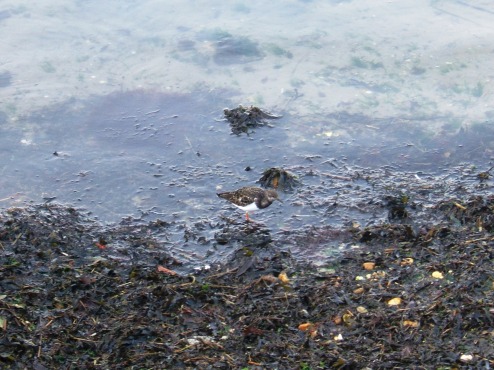
12th March: On a visit to Sandbanks in Poole I spotted a turnstone in its Winter plumage:
DSCF0546
13th March: I visited the Lymington-Keyhaven Nature Reserve which I then blogged about.
14th March: On my way home from work I spotted my first butterfly of the Spring, a peacock. This was in a fairly urban area but the nearby Blashford Lakes nature reserve reported seeing a few different species this week.
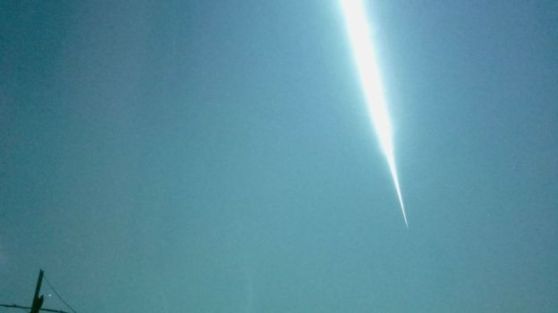
17th March: In the early hours of the morning, at 3:16AM, a meteor shot across the sky. I was sadly fast asleep at the time but the media seems to suggest that here in Ringwood was one of the best places to see it. This image comes from Richard Bassom via the BBC News site and was taken here in Ringwood!
88817790_richardbassom
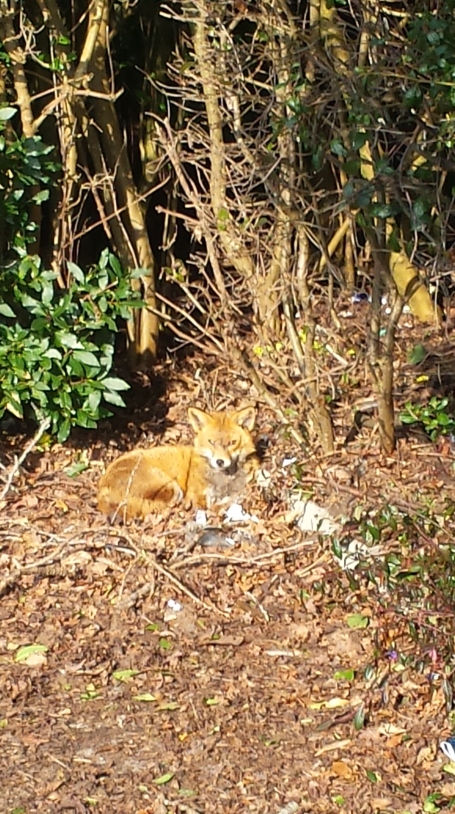
I have seen the car park fox at work over the last few mornings. It only seems to be there when the sun is shining, presumably warming up before going to sleep for the day. Fortunately the car park is fairly quiet when I arrive around 8:30AM and the fox pays little attention to me. My fingers are crossed that I might spot some cubs at some point later in the season.
20160315_085117
Today is also the equilux, the day where we have as much daylight as we do darkness. From here on in the days start becoming longer than the nights.
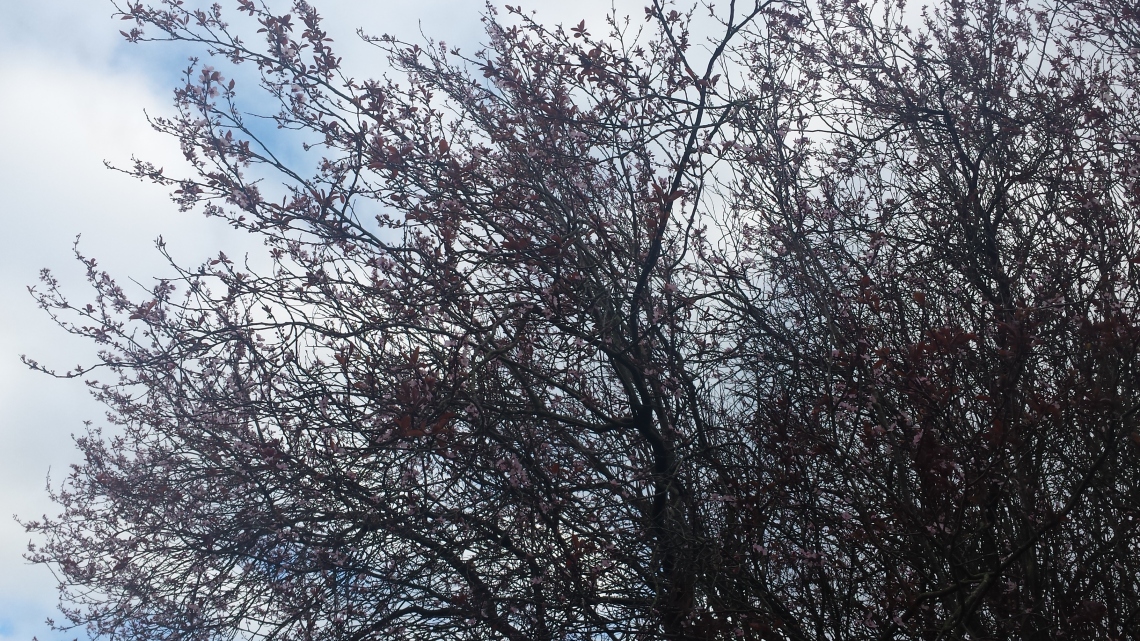
19th March: I’ve started to notice lots of blossom on the local trees which shows that Spring is well and truly starting:
20160319_155725.jpg
20th March: It’s the first day of Spring! And it’s a grey miserable day sadly. So far though March has been largely sunny and we have very little rainfall.
24th March: A week of fairly warm weather which has seen a few more butterflies emerge. I’ve also noticed a few birds looking like they might be gathering nesting materials, especially the blackbirds near my house. I imagine it won’t be all that long now before we start seeing the first young birds.
The car park fox has been there most mornings this week, even when it hasn’t been as sunny, and one morning there was a second fox sat next to it, though this one ran away before I could get a good look at it.
25th March: I took a short walk along the Castleman Trailway which I then blogged about.
29th March: Storm Katie hit us yesterday. There were very strong winds which have caused a fair bit of damage and over an inch and a half of rain which is quite a lot given how saturated the land already is. I drove past a few local rivers today and saw that they had once again flooded well above their banks. This sort of weather might hold back Spring for some wildlife although I suspect it will be a good year for waders and other wildlife that like the flood waters.
30th March: Today it was revealed that there are pine martens in the New Forest, which I blogged about here.
31st March: The RSPB shared the results to this year’s Big Garden Birdwatch and I wrote a blog post comparing my results with the national ones.
That’s all for March! April is a great month for wildlife so I hope to have some interesting things for you so watch this space.